
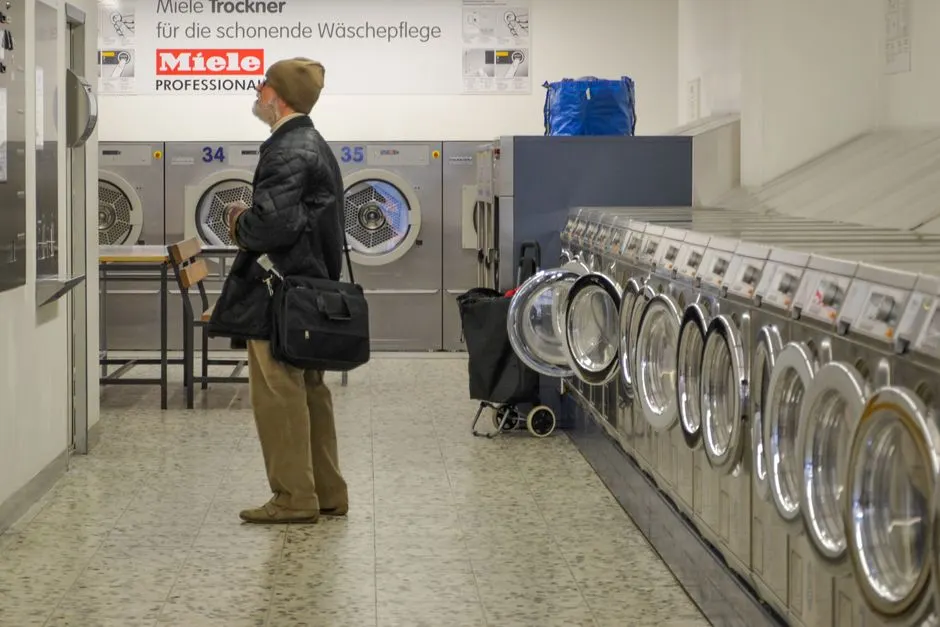
A washer that leaks during a cycle usually has a hose connection, door seal, drain path, or internal water component letting water escape under pressure or movement. The leak often appears only when the machine fills, agitates, drains, or spins because that is when water reaches the failing part. In Massachusetts, cold-season hose wear and older laundry hookups can add to the problem, but the cycle stage and puddle location are the quickest clues.
Why washer leaks during a cycle Massachusetts is a practical repair question about finding the point where water escapes and stopping further floor damage. We'll show you how to narrow down the source, which checks are safe, what common repairs involve, and when our team should take over. If you need a local starting point, we handle Washer Repair in Massachusetts for households dealing with leaks and other washer failures.
Why does a washer leak during a cycle in Massachusetts?
A washer leak during a cycle in Massachusetts usually comes from a worn hose, loose fitting, damaged door boot, clogged drain, excess suds, or a failing pump. The moment the water appears often identifies the cause more clearly than the size of the puddle.
A leak during filling points us toward the inlet hoses, water valve, dispenser, or tub area. Water appearing during agitation often suggests a splash-out problem, an overloaded tub, or a crack or seal that opens as the drum moves. A puddle during draining or spinning puts the drain hose, pump, and tub-to-pump connections higher on the list.
Winter adds a local concern: laundry rooms in unheated basements, garages, and seasonal properties can expose hoses and nearby plumbing to low temperatures. A braided supply hose is not immune to age or a loose connection; check hoses for bulges, rust at the coupling, and wetness at the faucet. In older Massachusetts homes, a narrow or partly obstructed standpipe can also cause water to back up during a strong drain discharge.
We look at the leak timing, water trail, washer type, and any displayed error code before replacing parts. That matters because a wet floor near the front does not prove the door seal is at fault; water can travel along the cabinet base from a leak at the rear.
How to find where a washing machine is leaking from
You can narrow down how to find where a washing machine is leaking from by stopping the cycle safely, drying the floor, and observing the first place that becomes wet. Do not pull a running machine away from the wall or reach beneath it while it is plugged in.
First, pause the cycle and switch off the washer. If water is near the outlet, cord, or a power strip, avoid touching the wet area and shut off power at the breaker if you can do so safely. Close both supply valves before inspecting hoses. Place towels around the machine, then use a flashlight to check the front edge, side panels, and visible hose connections.
Note the cycle stage when the leak starts. If you restart the washer for a short observation, stay beside it and stop immediately when water appears. Never remove panels or tilt a washer to inspect underneath unless you know how to secure the unit and isolate power and water.
- Front puddle: Check the door area, dispenser drawer, and the front edge of the tub.
- Rear puddle: Look at the hot and cold supply hose couplings, drain hose, and standpipe.
- Water during draining: Watch for a loose drain hose, backed-up standpipe, or water escaping near the pump area.
- Water that returns after the cycle: Check for a slow supply-hose leak or water pooling behind the washer.
Take a photo of the wet area and record whether the washer was filling, washing, draining, or spinning. That short record helps us distinguish a supply leak from a tub or drain leak. Our Washer Diagnosis and Troubleshooting in Massachusetts focuses on tracing the source rather than guessing from the puddle alone.
Common mistakes that make a washer leak worse
Common washer leak mistakes in Massachusetts include running repeated cycles to "test" a leak, tightening plastic fittings too hard, and using more detergent to clear suds. Each can turn a small, local problem into a damaged floor or a broken fitting.
If you see water, stop the cycle and close the supply valves. A leak that appears for only a few minutes can still soak subflooring, especially on an upper floor or in a finished basement. Do not keep washing loads until you know whether the source is a hose, seal, pump, or drain backup.
Over-tightening a hose coupling can deform a washer or crack a plastic inlet fitting. Hand-tighten connections and use a wrench only for a small adjustment when the fitting is designed for it. If a hose is cracked, swollen, or corroded at the coupling, replace it rather than trying to seal it with tape.
Detergent is another frequent culprit. High-efficiency washers need HE detergent and much less than many people expect; excess suds can push foam or water through a dispenser or vent path. For most concentrated HE detergents, follow the bottle's load-size markings rather than estimating by eye. A washer that repeatedly overflows deserves inspection even after the suds disappear.
What does washer leak repair cost in Massachusetts?
Washer leak repair in Massachusetts in 2026 often falls between about $120 and $450 for a common hose, drain, or seal repair, while a tub or bearing-related repair can exceed $600. The final price depends on the failed part, access, washer design, and labor required.
A supply or drain hose replacement is usually at the lower end when the connection is accessible. A front-load door boot takes more labor because the washer's front or inner retaining ring must be opened and refitted correctly. Pump replacement, tub-seal work, or damage that requires extensive disassembly costs more; on an older machine, compare the repair price with the washer's age and condition.
We identify the leak before recommending a part. Our team explains the repair price upfront, then tests the machine through the relevant fill, wash, drain, and spin stages so you can see whether the floor stays dry. For a direct leak issue, our Washer Leak Repair in Massachusetts service addresses hose, seal, pump, and overflow problems.
These are practical local ranges, not a quote for every model. A stacked unit, tight closet, or corroded shutoff valve can add time, while a visible loose hose connection may take less work. The safest comparison is a confirmed diagnosis and a repair price for your exact washer model.
When to call a professional
Call a washer repair professional in Massachusetts when water returns after you close the valves, a leak comes from inside the cabinet, or water reaches an electrical connection. We can trace the source, replace the failed component, and run the washer through the stage that caused the leak.
Also call if the washer trips a breaker, displays a recurring drain or fill code, makes a grinding noise, or leaks again after you correct detergent use and check visible hose connections. A drain backup may be a washer problem or a standpipe issue; our technicians inspect the washer's discharge path and the point where it meets household plumbing.
We serve homes and apartments across the state, including older multi-unit buildings where laundry closets offer little room to reach rear connections. In the Boston area, careful diagnosis matters when a shared or narrow laundry setup makes a small overflow hard to spot; we provide Washer Repair in Boston for local washer problems.
Mass Washer Repair handles washer leak repair for front-load and top-load machines. If the source is unclear, tell us which cycle stage triggered the leak and where you first saw water; those details help us arrive ready to test the right components.
Frequently Asked Questions
Why does my washer leak only during a cycle?
A washer usually leaks only during a cycle because filling, agitation, draining, or spinning puts water or movement against a weak hose, seal, pump, or drain connection. Note the cycle stage and where the first water appears. Stop the machine if the leak continues, then close the supply valves to limit damage.
Can an overloaded washing machine cause a leak?
Yes. A load packed above the drum's capacity can force water and suds toward the door or top opening and make the tub move excessively. Leave space for clothes to tumble, distribute bulky items evenly, and use the detergent amount specified for the load. If the washer still leaks with a small load, a component needs inspection.
How do I check a washer door seal for a leak?
With the washer off and empty, inspect the rubber boot for a tear, trapped fabric, detergent buildup, or a small object lodged in a fold. Wipe the seal dry, then check whether the next leak starts at the lower door edge. Do not pull sharply on the boot; a torn seal needs replacement, not glue.
When should I call a Massachusetts washer repair technician?
Call the same day if water reaches an outlet or wiring, the leak is heavy, or closing the supply valves does not stop it. Arrange repair if the washer leaks again after a basic hose and detergent check, or if you see an error code, hear grinding, or notice water from beneath the cabinet.
How much does washing machine leak repair cost in Massachusetts?
In 2026, common washer leak repairs in Massachusetts are often about $120-$450, while major tub or bearing work can exceed $600. A technician needs to identify the source and model before giving a useful price. Hose access, stacked installation, and the amount of disassembly affect labor.
Get help with Washer Repair in Massachusetts
A washer leak rarely fixes itself, and every extra cycle risks more water damage. Call Mass Washer Repair at +18665940052; we'll find the source, explain the repair, and test the washer before we leave.