
Logo
Get Estimate

Washer Leak Repair in Massachusetts That Stops Leaks

We locate the source, repair it, and test your washer.


Washer Leak Repair in Massachusetts helps homeowners and property managers stop water from spreading beneath a washer, into a laundry closet, or across a finished floor. We trace the leak to its source, repair the failed hose, seal, valve, or drain component, then run the machine to check the result. If water is pooling now, shut off the washer's supply taps and contact us before the next cycle causes more damage.

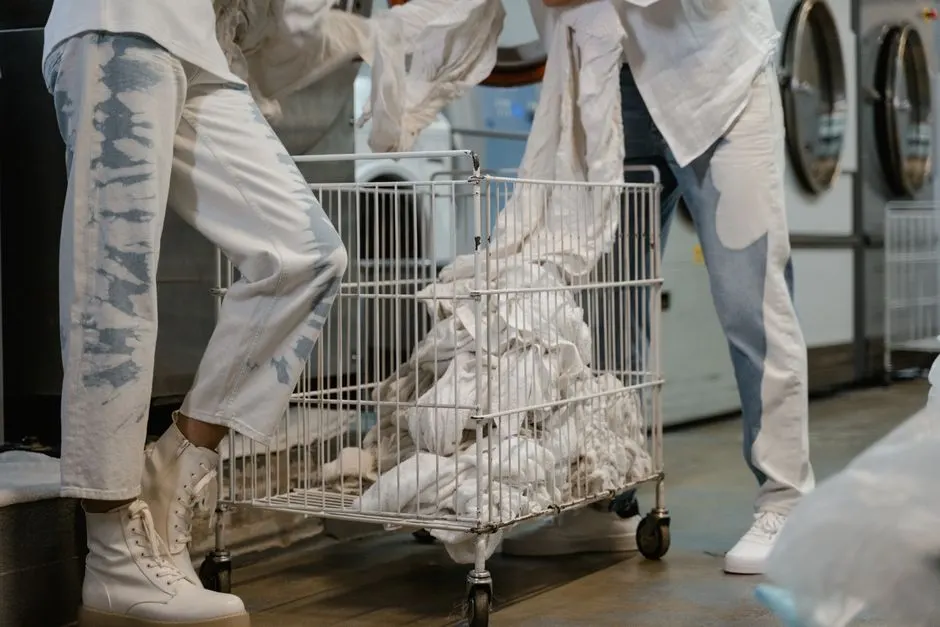
Two individuals loading laundry into washers at a self-service laundromat.
Licensed Licensed & Bonded
Fully Insured Insured & Bonded
24/7 Emergency Same-Day Response
Warranty Backed Workmanship Guaranteed

What's Included in Leak Repair

We inspect the washer and the accessible water connections, identify the source, and repair the confirmed leak with a compatible component. Service includes a functional test and a check for renewed moisture at the repair point. If we find separate flooring, wall, or electrical damage, we explain the issue so you can arrange the appropriate trade; our appliance repair addresses the washer itself.

Leak Source Inspection

We inspect supply connections, the door opening, accessible cabinet areas, and the drain route for fresh water tracks. We note when the leak appears and match the inspection to that stage. This helps distinguish a hose drip from a seal, valve, or pump-area failure.

Failed Part Repair

After confirming the cause, we repair or replace the affected washer component, such as a worn hose, damaged door boot seal, or leaking valve. We use a part suitable for the model and recheck the connection. The repair stays focused on the source of the water.

Safe Appliance Access

We prepare the work area and move the washer carefully when the inspection requires access behind or beneath it. An appliance dolly helps manage heavy machines on appropriate routes. We take care around wet flooring, nearby outlets, cabinetry, and shared laundry-room fixtures.

Operating Leak Test

We run the relevant cycle stage after the repair and inspect the connection while water is flowing. If the leak occurred during draining, we check drain-down; if it appeared during filling, we observe the supply side. The machine is checked for fresh moisture before the visit is complete.

Care and Use Guidance

We explain what failed, what was repaired, and which symptom to monitor over the next few loads. You receive practical guidance on keeping hoses clear of sharp bends and noticing early drips. That helps you respond before a small leak becomes standing water.

Washer Leak Repair in Massachusetts


Washer Leak Repair in Massachusetts is an appliance service that identifies and fixes water escaping from a washing machine during filling, washing, draining, or spinning. We inspect supply connections, water inlet hoses, drain hoses, the door boot seal, and the pump area, then use the leak pattern and a controlled test cycle to isolate the fault. A sound diagnosis matters: a puddle behind the machine points to a different repair than water appearing at the front door or beneath the cabinet. We protect the work area, explain the repair, and verify that the leak has stopped.

Cold snaps, humid summers, older laundry rooms, and tight installations all affect how a leak presents in Massachusetts homes. A hose compressed behind a stacked unit can split; a worn seal can seep only when the drum is full. Our Massachusetts washer leak repair addresses the source rather than masking the water on the floor. If you are asking how to repair a washer leaking during a cycle in Massachusetts, note when the water appears and whether it is clear or soapy; that detail helps us narrow the fault.

What Happens During Your Repair

Our washing machine leak repair Massachusetts process starts with the symptom you see and ends with an operating test. We keep the work practical: locate the leak, identify the failed component, make the repair, and check the machine under the conditions that caused the water to escape.

01

Schedule

Call or book online — a real human picks up and confirms a 2-hour arrival window.

02

Diagnose

Licensed tech inspects on-site, then walks you through the cause and your options.

03

Fix

The job is completed to code and done right the first time — no shortcuts, no surprises.

04

Guarantee

Every job backed by a written workmanship warranty — and we stand behind it.

Tools and Repair Methods

Tools & Equipment

Multimeter

We use a multimeter for appropriate electrical checks when a valve, pump, or control-related symptom accompanies the leak. Testing helps distinguish an electrical failure from a water-path problem before parts are selected.

Hose clamp pliers

Hose clamp pliers help release and refit suitable internal hose clamps during access to drain or pump connections. Controlled handling protects the hose and clamp from damage during a focused repair.

Water pressure gauge

A water pressure gauge helps assess supply conditions when a leak or filling complaint suggests pressure may be contributing. We compare the reading with the appliance requirements and inspect the connections under operating conditions.

Inspection mirror

An inspection mirror lets us view tight spaces behind the cabinet, below the tub, and around hidden connections without moving more of the washer than necessary. It helps reveal fresh water tracks and residue.

Wet/dry vacuum

We use a wet/dry vacuum to remove manageable standing water around the appliance after the active source is controlled. Clearing the work area makes it easier to spot new moisture during the final test.

Methods & Standards

Cycle-stage leak tracing

We connect the reported timing to washer operation: filling, washing, draining, or spinning. We inspect and test the matching water path instead of treating every puddle as the same fault. This method is especially useful for intermittent leaks that disappear when the washer is idle.

Isolate, repair, and retest

We stop water flow as needed, isolate the washer safely, repair the confirmed part, and restore operation for a controlled test. The final inspection checks the repaired area while the relevant cycle stage is active. This confirms the result under use, not merely at rest.

Model-matched component selection

We use the washer make and model to identify a compatible replacement component and correct installation points. Hoses, seals, and valves differ by machine design; fitting the right part helps prevent poor sealing, interference, or a repeat failure after the washer returns to service.

Safe handling and work-area control

We manage water and electrical risks before moving or opening the appliance, protect nearby finishes, and use suitable lifting practices for heavy machines. Where regulated plumbing or electrical work applies, we observe Massachusetts licensing requirements and keep the repair within the proper trade scope.

When to Call for Leak Service

01

You find water behind the washer after a fill cycle, but the hose ends are difficult to see.

What we do: We safely access the rear connections, inspect the hose and inlet area, and trace where water first appears. If the connection or hose has failed, we repair it and run a fill test. We also check that the washer is not compressing the line when pushed back into place.

→ The supply-side leak is addressed at its source, and you can run the next load without relying on a towel to catch recurring drips.

02

A front-load washer leaves a narrow trail of water at the bottom of its door.

What we do: We inspect the door seal, glass, and closure for damage or trapped debris, then compare the findings with the leak pattern. We repair the confirmed cause and check the door area during a controlled wash. If the seal needs replacement, we verify its seating before the test.

→ You get a dry door edge and a checked seal, with the fault distinguished from a dispenser or drain leak.

03

Water appears only when the washer pumps out, and the drum sometimes retains water.

What we do: We focus on the drain path, pump filter area, and hose connections, checking for blockage and leakage during drain-down. Once the fault is confirmed, we clear or replace the affected component and test a drain cycle. We also watch for a continuing leak after the pump stops.

→ The washer can discharge water without leaving a puddle, and you know whether any related drainage symptom still needs service.

04

A laundry-room leak starts overnight or before guests arrive and water is still flowing.

What we do: Turn off the washer's hot and cold supply taps, stop the cycle, and call us. We prioritize locating the active source, protecting the immediate work area, and repairing the failed washer component. If water has reached electrical equipment, keep clear and address that hazard before approaching the machine.

→ The water supply to the washer is stopped, the source is identified, and the appliance is tested after the repair rather than restarted blindly.

How Massachusetts Leak Calls Run

Washer Leak Repair in Massachusetts has to account for varied buildings and weather, not just the appliance model. In November and through winter, cold utility rooms and exterior-wall laundry areas deserve attention because supply lines can be exposed to lower temperatures; do not apply heat directly to a washer or hose. Older homes may have tight basement stairs, uneven floors, or shared laundry spaces, while newer condos often stack the washer and dryer in a closet with limited access. We ask about those conditions before moving equipment. In coastal communities, salt air and damp rooms can leave metal fittings and floors more vulnerable to corrosion or persistent moisture; inland homes often bring long basement drain routes and seasonal humidity. Our washing machine hose and seal repair Massachusetts service checks the actual installation, not an imagined standard layout. We isolate water, protect the route to the machine, and test the repair at the cycle stage that caused the leak. Massachusetts plumbing and electrical licensing requirements apply to regulated work, so we keep appliance service within its proper scope and identify when another licensed trade is needed.

Neighborhoods We Serve

  • Downtown Lowell

    Older multi-unit buildings can have shared laundry areas and narrow access routes. We plan the inspection around the washer's position and protect common flooring while tracing the leak.

  • Salem waterfront area

    Damp coastal air can make existing moisture harder to distinguish from a new leak. We look for fresh water tracks and check fittings closely before concluding that a washer is still leaking.

  • Gloucester harbor area

    Coastal homes may have compact utility rooms and metal fittings exposed to damp conditions. We inspect the connection itself and test the washer rather than relying on surface appearance alone.

  • Vineyard Haven village

    Seasonal homes and compact laundry spaces call for a careful check of the supply and drain lines before a machine is returned to regular use. We confirm the repair through operation.

Local Conditions We Plan For

  • Cold snaps reach supply lines in unheated laundry spaces.

    A hose or fitting in a cold basement, garage, or exterior-wall closet deserves a close visual check after freezing weather. We look for splits, stiff sections, and fresh drips, then verify the supply connection under normal fill operation.

  • Older homes have narrow stairs and uneven laundry floors.

    Restricted access affects how a washer can be moved and where a leak can be inspected safely. We assess the route, protect finished surfaces, and avoid forcing a heavy machine through a tight turn that could damage the appliance or the home.

  • Coastal humidity keeps floors and fittings damp.

    Existing moisture can obscure the exact start of a leak and accelerate corrosion around metal connections. We dry and inspect the area, trace new water during the test cycle, and separate washer leakage from general room dampness.

Supply Hose Drip Stopped

Before

A washer in a basement laundry room left a small puddle after every fill. The hose was bent sharply behind the cabinet, and the connection stayed hidden unless the machine was pulled forward. The household had been placing a towel under the line, but it was wet again after each load.

After

We accessed the connection, replaced the failed hose, and corrected the bend so the washer no longer pressed against it. During a fill test, we checked the hose end and surrounding floor twice. The connection remained dry through the test, and the towel was no longer needed to catch water.

Maintenance: Keep the washer far enough from the wall to avoid crushing the hose, and look behind the machine for new moisture every few months. Replace a hose that shows bulging, cracking, or a persistent drip.

Before

A front-load washer left water along the lower edge of its door during larger loads. The owner wiped the area after each cycle, but the damp seal and nearby floor never fully dried. The leak appeared during washing, not while the machine was idle.

After

We found damage in the door boot seal, installed a compatible replacement, and checked that it sat evenly around the opening. A controlled wash test left the lower door edge dry, and we inspected the floor again after the cycle. The washer completed the test without the previous water trail.

Maintenance: Wipe the door seal and glass after a load, remove trapped lint or small items, and leave the door slightly open when practical. Report a new tear or water line before repeated cycles spread moisture.

Before

Water collected beneath the washer only as the machine drained, while the supply hoses looked dry. The drum sometimes held water at the end of a load, and a sour odor lingered near the pump area. The leak was easy to miss when the washer was not running.

After

We traced the water to a leaking drain connection and corrected the faulty part. We then ran a drain test and observed the connection while the pump operated. No fresh water appeared beneath the washer, and the drum emptied normally through the test cycle.

Maintenance: Check the drain hose for kinks and keep the area around the pump access clear. If water remains in the drum or returns beneath the machine, stop using it and arrange a drain-path inspection.

Problems Solved Before Water Spreads

A small leak can hide behind the washer until a full cycle sends water across the floor. We trace the first point of escape, repair the failing component, and verify the result under operation. These are common reasons Massachusetts households call us before another load makes the cleanup harder.

Problem

A supply hose drips behind the washer during filling.

Water can collect unseen behind the machine, damage wall finishes, and soak flooring before it reaches an open area where you can spot it.

Our Fix

We inspect the supply taps, hose ends, and visible hose length, then replace or secure the confirmed failure. After restoring the water, we observe a fill stage and recheck the fittings for seepage. We also make sure the washer is not pressing the hose into a sharp bend when it returns to position.

Problem

A front-load washer leaks around its door during a wash.

Repeated drips can spread under nearby cabinets, while detergent residue and trapped moisture leave the door area damp and unpleasant between loads.

Our Fix

Our Massachusetts front-load washer door seal leak repair starts with inspection of the door boot seal, glass contact area, and door closure. We check for tears, trapped items, and fit problems before deciding on the repair. We then run the washer and inspect the lower door edge during operation.

Problem

Water remains under the machine after the drain cycle.

A slow pump-area leak can wet the floor repeatedly and leave water in the drum, increasing odor and making each load harder to manage.

Our Fix

We inspect the drain hose, pump filter area, and accessible pump connections, then test the drain stage. If a blockage or failed component is confirmed, we clear or repair the appropriate part and watch the discharge. The final check confirms the washer drains without creating a new puddle.

Problem

A washer vibrates hard and starts leaking during spin.

Strong movement can pull a hose out of alignment, worsen a worn seal, or make water escape only at high drum speed, so an idle inspection may miss it.

Our Fix

We check for the leak under spin conditions and inspect the machine's position and related movement. If the source is a shifted hose or failed component, we correct it and retest. We also explain any separate vibration fault that needs attention to help protect the repair.

A Dry Floor and a Working Washer

A Dry Floor and a Working Washer

A washer leak is more than a nuisance: water can reach flooring, trim, stored belongings, and the rooms below. We focus on stopping the active leak, confirming the machine drains and fills correctly, and leaving you with a clear account of what failed. You get a repair aimed at the cause, not a quick wipe-down that leaves the next cycle to repeat the problem.

  • Find the Actual Source

    We follow water trails and inspect the washer at the stage when the leak occurs. A supply-side drip, door seep, and drain-pump leak leave different clues. Pinpointing the source before replacing parts helps avoid unnecessary work and gives you a repair that addresses the failure rather than the visible puddle.

  • Limit Water Damage

    Stopping a leak promptly reduces the chance that water reaches cabinet bases, subflooring, or a ceiling below the laundry area. We isolate the washer, remove standing water around the appliance when needed, and test the repaired connection. If water has spread, you can also see where drying or building repair should follow.

  • Protect the Next Cycle

    After the repair, we check the relevant fill, wash, and drain stages instead of relying on a dry machine at rest. A leak that appears only under pressure or during a spin needs that operating test. We confirm the connection stays dry and that the washer completes its cycle without a fresh puddle.

  • Keep Repair Choices Clear

    You receive a straightforward explanation of the failed part and the work needed before we proceed. If a hose is worn but the valve and pump remain sound, we focus on the hose rather than turning a focused repair into a broad parts replacement. You know what changed and what to watch after service.

Service Standards and Proof

Licensed & Certified

  • National Appliance Service Technician Certification — issued by National Appliance Service Technician Certification
  • Professional Service Association certification — issued by Professional Service Association
  • OSHA safety training — issued by Occupational Safety and Health Administration training
  • Manufacturer-specific appliance service training — issued by Appliance manufacturers

Verified Reviews

Customer feedback Not listed

A homeowner described a washer that leaked only during the drain stage. We traced the water to the pump area, repaired the confirmed fault, and tested the drain cycle before leaving. The customer reported a dry floor after the next load.

Customer feedback Not listed

A front-load washer was leaving water at the bottom of its door. We inspected the seal, replaced the damaged component, and checked the door edge during a test wash. The customer appreciated getting a clear explanation of the cause and a working machine.

Customer feedback Not listed

A family found water behind its washer and could not see which connection was leaking. We moved the machine carefully, repaired the failed hose connection, and watched it during filling. Their follow-up confirmed the floor stayed dry through regular laundry.

Practical Washer Leak Expertise

Leaks are often intermittent, so our team works from evidence instead of changing parts at random. We service common household machines from Whirlpool, GE Appliances, Maytag, Samsung, LG, Electrolux, Frigidaire, Speed Queen, Amana, and Bosch. Our technicians use manufacturer-specific appliance service training and follow safe isolation practices around water and electricity. We diagnose the washer as a connected system: a drain problem can mimic a tub leak, and excessive vibration can loosen a connection that was previously dry. You get a repair matched to the symptom and the machine.

  • We trace leaks across fill, wash, and drain stages, documenting where water first appears rather than guessing from the largest puddle.
  • Our technicians use suitable electrical testing, hand tools, and controlled cycle checks to confirm a fault before replacing parts.
  • We handle front-load door boot seals, supply hoses, valves, drain connections, and pump-area leaks across common household brands.
  • We apply OSHA safety training principles when handling heavy appliances, wet floors, electrical connections, and tight laundry-room access.
  • Where regulated plumbing or electrical work applies, we respect Massachusetts licensing requirements and keep appliance repairs within the proper scope.
Get Started Today
Practical Washer Leak Expertise

Cities We Serve Across Massachusetts

Our statewide service area includes communities across northern, coastal, central, and island Massachusetts. We schedule Washer Leak Repair in Massachusetts with the home's layout and the washer's access in mind, whether the machine sits in a basement, a compact condo closet, or a seasonal property. Our washing machine leak repair Massachusetts coverage includes the cities below, with each visit focused on finding the source and testing the completed repair.

Lowell

We inspect washers in Lowell homes and multi-unit buildings, taking care around shared laundry spaces and tight access. We test the repair at the cycle stage that caused the leak.

Haverhill

For Haverhill leak calls, we check supply connections, seals, and drain paths based on where water first appears. We finish with an operating test to confirm the floor stays dry.

Salem

Our Salem washer service accounts for compact laundry areas and damp coastal conditions. We trace fresh moisture to the washer itself, repair the fault, and check the area during a test cycle.

Gloucester

In Gloucester, we inspect the washer and accessible fittings closely, especially where coastal dampness can disguise a new drip. We verify the repair while the machine fills or drains.

North Scituate

We handle North Scituate calls by checking the washer's water connections and leak timing before selecting a repair. The final cycle test confirms the affected area stays dry.

Raynham Center

Our Raynham Center visits cover leaks at hoses, doors, valves, and drain components. We explain the cause plainly and test the relevant washer operation after completing the repair.

Dennis Port

For Dennis Port homes, including seasonal properties, we check whether a washer leak has been sitting unnoticed and inspect the supply and drain connections. We run the washer before calling the repair complete.

Cordaville

We diagnose Cordaville washer leaks by matching the puddle location to the cycle stage. Our technician repairs the confirmed component and checks for renewed moisture during operation.

Vineyard Haven

In Vineyard Haven, we work carefully in compact laundry rooms and check for moisture around hidden connections. We test the washer after repair so it is ready for regular household use.

South Deerfield

Our South Deerfield leak service checks supply lines, door seals, and drain components according to the symptom. We verify the fix through a controlled cycle rather than a visual check alone.

Onset

We serve Onset with focused washer leak diagnosis, including inspection of connections in damp or limited-access laundry areas. After repair, we watch the relevant cycle stage for drips.

New Seabury

For New Seabury washer calls, we inspect the machine's installation and water path, then repair the source of the leak. A fill, wash, or drain test confirms the result before we leave.

Washer Leak Repair Questions

Real answers to the questions we hear most often from local homeowners and property managers.

How much does washer leak repair cost in Massachusetts?
Most washer leak repairs cost about $180 to $450 in 2026, depending on the failed part and access. A loose or damaged hose is usually simpler than replacing a door boot seal or reaching a pump assembly in a stacked installation. We diagnose the cause, explain the repair, and give you the price before work begins. Parts availability, corrosion, and added water damage can change the total.
Why is my washing machine leaking during a cycle?
A washer that leaks during a cycle usually has a failed hose, door seal, inlet valve, drain connection, or pump-area component. The cycle stage is a useful clue: water during filling points toward the supply path, while water during draining directs attention to the drain hose or pump. Stop the cycle if water is spreading, then note where the puddle first appears. We use that evidence to locate the fault.
Who can repair a leaking washer in Massachusetts?
An appliance repair technician experienced with washer water systems can diagnose and repair a leaking washer in Massachusetts. We inspect hoses, seals, valves, and drain components, then test the machine under operation. For a persistent leak, avoid repeated cycles and share the washer brand, model, and leak timing when you call. Our team can arrange washing machine leak repair Massachusetts service and explain the next step.
Should I turn off the water if my washer is leaking?
Yes; turn off both washer supply taps immediately if water is actively leaking, then stop the cycle and unplug the machine only if you can reach the plug without standing in water. This limits additional flow while you arrange service. Do not pull a heavy washer across a wet floor. If water is near an outlet or electrical panel, keep clear and address the electrical hazard before approaching the appliance.

Related Washer Services

Washer Repair

A leak can appear alongside a washer that will not drain, spin, or start. Our broader washer repair service checks the connected systems when symptoms point beyond one hose or seal. We identify which faults relate to the leak and restore the functions affected by the same failure.

View Washer Repair

Front-Load Washer Repair

Front-load machines can leak at the door boot seal, dispenser path, or drain system. We inspect the door opening and lower pump area, then run a test cycle to reproduce the leak. If a seal has debris or damage, we explain whether cleaning or replacement addresses the cause.

View Front-Load Washer Repair

Top-Load Washer Repair

Top-load leaks can come from fill hoses, a water inlet valve, or water escaping during agitation and spin. We check the machine through the relevant stage and inspect for vibration-related movement. This separates an external connection leak from water escaping inside the washer cabinet.

View Top-Load Washer Repair

High-Efficiency Washer Repair

High-efficiency washers use controlled water levels and specific cycle behavior, so a leak diagnosis needs to account for the model. We inspect seals, hoses, and drain components with the correct operating test. If the machine is not filling or draining properly, we check whether that problem contributes to overflow or pooling.

View High-Efficiency Washer Repair

Washer Diagnosis and Troubleshooting

Intermittent leaks need a structured diagnosis. We record when water appears, inspect the likely path, and test the machine at the matching cycle stage. This service helps separate a leaking component from a blocked drain, excessive vibration, or a fill issue that sends water into the wrong area.

View Washer Diagnosis and Troubleshooting

Washer Drainage and Pump Repair

Water left in the drum or leaking during drain-down can point to a blocked pump filter, damaged drain hose, or failing drain pump assembly. We inspect the drain path and test pump operation, then repair the confirmed fault. Clearing the cause can address both standing water and floor leaks.

View Washer Drainage and Pump Repair

Stop the Leak Before the Next Cycle

Our team finds the source, repairs the failed part, and tests the washer before leaving. Call +18665940052 to arrange Washer Leak Repair in Massachusetts and get your laundry area back under control.

Call Now Book Leak Repair

Contact Mass Washer Repair

Tell us what your washer is doing and where in Massachusetts you need service. Call +18665940052 during business hours, Monday through Friday, 8 a.m. to 6 p.m.; we respond to calls during those hours and help arrange the next available service route. If the washer is leaking, include that detail when you call.

Or call us right now at +18665940052 — we answer.

Mass Washer Repair


  • Phone

    +18665940052
  • Address

    Massachusetts

  • Hours

    Mon–Fri: 7AM – 7PM
    Sat: 8AM – 4PM
    Sun: Emergency Only
    24/7 Emergency Available

Call +18665940052 Get Quote
Call Quote