
Logo
Get Estimate

Washer Not Filling or Agitating Repair in Massachusetts

Restore water flow and wash action without guesswork


Washer Not Filling or Agitating Repair in Massachusetts helps you get laundry moving when the tub stays dry, fills slowly, or stops agitating. We inspect top-load and front-load machines, trace the fault to its source, and explain the repair before work begins. If you need washing machine fill and agitation repair Massachusetts, our team serves households statewide and checks related symptoms such as leaks, drain problems, and lid-lock faults.

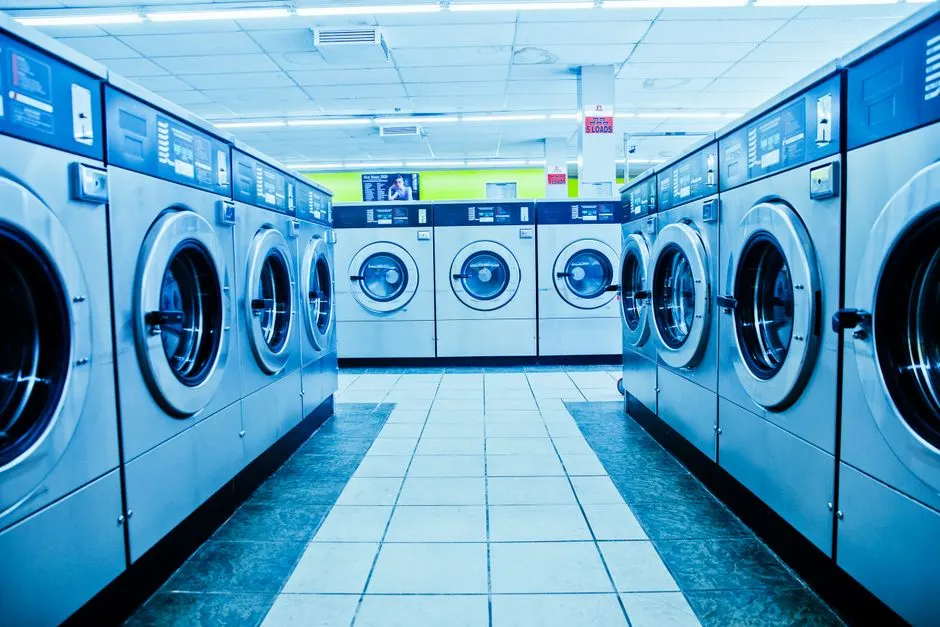
A contemporary laundromat with rows of industrial washing machines and bright interior lighting.
Licensed Licensed & Bonded
Fully Insured Insured & Bonded
24/7 Emergency Same-Day Response
Warranty Backed Workmanship Guaranteed

What Fill and Agitation Service Includes

Our service covers diagnosis of water-entry and wash-motion failures, inspection of the related supply and appliance components, repair of the confirmed fault, and a functional test. We check for connected symptoms such as leaks or a cycle that stops before washing. If testing identifies a separate drain, control, or installation issue, we explain how it relates and what additional work is needed before proceeding.

Water Supply Assessment

We inspect household shutoff valves, water inlet hoses, visible kinks, and accessible inlet screens. Where flow is in question, we use a water pressure gauge to distinguish weak supply from an appliance valve problem. This check matters because replacing a washer part will not correct a restricted building-side connection.
Valve and Sensor Testing

We test the water inlet valve and relevant level-sensing response for the washer's model and cycle. Electrical checks help confirm whether the valve receives a command and whether it opens as intended. If the supply is present but filling does not occur, these results narrow the fault without relying on symptoms alone.

Agitation System Inspection

For top-load machines, we inspect the lid signal and the components that drive the agitator or impeller. For front-load machines, we verify drum movement and door-lock response. The test follows the washer's design, since a stationary load can result from an interlock, drive, or control issue.

Repair and Cycle Test

After explaining the diagnosed repair and price, we correct the failed connection or component and reassemble the machine. We restore water and power safely, run the relevant fill and wash stages, and look for leaks, abnormal sound, or repeat codes before finishing the visit.

Related Symptom Check

We note whether the washer also leaks, fails to drain, or stops before spinning, then inspect related parts when the symptoms point to a connected problem. This helps identify a blocked pump filter or damaged hose that could affect the same cycle, while keeping the main fill or agitation repair clear.

Washer Not Filling or Agitating Repair in Massachusetts


Washer Not Filling or Agitating Repair in Massachusetts is an appliance diagnostic and repair service that restores the water-entry and wash-motion functions needed to complete a cycle. We check household water supply, inlet hoses, water inlet valves, level sensing, lid or door interlocks, wiring, and the drive system. A multimeter helps us test electrical continuity, while a water pressure gauge confirms whether supply pressure is adequate. Once we isolate the failure, we explain the fault and repair the affected component rather than replacing parts by guesswork.

Across Massachusetts, winter cold can affect laundry spaces in garages, basements, and seasonal properties, while older buildings may have shutoff valves or supply lines that restrict flow. In coastal areas, long periods between visits can leave a washer unused until a busy arrival exposes a fault. Our Massachusetts washer not filling or agitating repair starts with the actual cycle behavior: does the tub receive water, stop at the right level, and move the load? If you need to repair a washer that fills slowly or will not fill, we check both the appliance and its supply.

What to Expect During Service

Washer Not Filling or Agitating Repair in Massachusetts follows a clear sequence: identify the symptom, test the likely causes, repair the confirmed fault, and verify operation. We protect the laundry area, explain what we find in plain language, and keep you informed while the machine is open. Many straightforward component repairs take about 1 to 3 hours after diagnosis; complex access or a second fault can add time.

01

Schedule

Call or book online — a real human picks up and confirms a 2-hour arrival window.

02

Diagnose

Licensed tech inspects on-site, then walks you through the cause and your options.

03

Fix

The job is completed to code and done right the first time — no shortcuts, no surprises.

04

Guarantee

Every job backed by a written workmanship warranty — and we stand behind it.

Tools and Test Methods

Tools & Equipment

Multimeter

We use a multimeter to check continuity and electrical response at relevant valves, switches, and connections. Readings help identify an open circuit or missing command before we recommend an electrical component.

Water Pressure Gauge

A water pressure gauge helps assess incoming supply when the washer fills slowly or not at all. We compare the measurement with the appliance's service requirements and inspect the supply path for restriction.

Nut Driver Set

A nut driver set allows controlled access to service panels and component mounts. We use the correct size to reduce the risk of stripping fasteners while reaching valves, switches, and internal connections.

Inspection Mirror

An inspection mirror helps us view fittings and wiring behind or beneath the washer without unnecessary disassembly. It is useful in compact laundry closets where direct sight lines are limited.

Clamp Meter

A clamp meter measures current on suitable circuits during controlled testing. We use its readings alongside model-specific checks to assess whether a component is drawing power as expected.

Methods & Standards

Symptom Reproduction

We run the cycle stage that produced the complaint and record what the washer does: whether the valve clicks, water flows, the level changes, and the drum or agitator moves. Reproducing the failure reduces guesswork and helps us distinguish an intermittent fault from a normal high-efficiency fill pattern.

Electrical Isolation and Testing

Before opening the machine, we isolate power and water as the job requires. We then test relevant circuits with a multimeter, following the appliance's service information and safety procedures. This approach protects the technician and prevents a live component from being handled during inspection.

Supply-to-Appliance Diagnosis

We check the household supply and accessible hoses before condemning the washer. Pressure and visual inspection help identify a shutoff, kink, or restriction; electrical testing then checks the valve and control response. This sequence finds whether the fault begins outside the machine or within its fill system.

Post-Repair Functional Test

We test the specific repair through the relevant fill and wash stages, watching for normal water entry, level response, movement, and leaks. If the original complaint involved more than one stage, we verify each reported symptom separately. The test gives you an observable result before the visit ends.

When to Call for Washer Service

01

Your washer hums at the start of a cycle, but no water enters the tub.

What we do: We check that household water is available, inspect the hoses and inlet screens, and test the inlet valve and electrical command. A hum alone does not prove the valve is good; the test shows whether it receives power and opens. We repair the confirmed fault and watch the next fill stage.

→ You get a clear cause for the dry tub and a verified fill test, reducing the chance of another interrupted load.

02

The washer fills, pauses, and then completes a cycle without moving the load.

What we do: We review the selected cycle and check the lid or door interlock before testing the drive system. If the washer is top-load, we inspect agitation components; if it is front-load, we verify drum tumbling. We also look for stored codes that help pinpoint an intermittent control or sensing fault.

→ The repair targets the stage that failed, and a wash-phase test confirms whether clothes receive normal movement.

03

A seasonal home washer struggles after months of cold-weather vacancy.

What we do: We inspect accessible hoses, valves, and connections for restriction or signs of freezing, then test fill and agitation separately. If a line or fitting is damaged, we identify the leak risk before running a full cycle. We account for tight utility areas and the need to protect finished floors during testing.

→ You know whether the washer is ready for regular use and whether a supply-side issue needs attention before a full laundry load.

04

Your shared laundry room has one washer that stops filling during peak use.

What we do: We document the model and cycle behavior, test the machine's inlet system, and inspect accessible supply conditions. Where multiple machines share plumbing, we look for a restriction that affects the appliance rather than assuming a failed washer valve. We coordinate safe access and return the machine to a verified cycle.

→ Residents get a specific diagnosis and a tested washer, with less uncertainty about whether the fault lies in the appliance or shared supply.

How Service Works Across Massachusetts

Washing machine fill and agitation repair Massachusetts requires attention to both the appliance and the conditions around it. In November and winter, washers in garages, unheated basements, and seasonal properties face colder supply lines; freezing risk depends on exposure and building conditions, so we inspect before running a full cycle. Coastal homes from Yarmouth Port to North Falmouth may sit unused for weeks, making a restricted valve or stiff hose apparent on the first load back. Older multifamily buildings can have compact closets, shared shutoffs, or narrow stairs that affect safe access. We plan for those conditions with an appliance dolly, hose clamp pliers, and a wet/dry vacuum when water must be contained. Where repair work touches regulated plumbing or electrical systems, applicable Massachusetts licensing requirements govern the work. For a Massachusetts washing machine agitator repair technician, the key is testing the washer's model-specific cycle rather than treating every machine alike. We confirm access, isolate the machine safely, and test the repaired function before returning it to service.

Neighborhoods We Serve

  • Lynn

    Older multi-unit laundry areas can have tight access and shared water shutoffs. We check that the appliance supply is open before diagnosing a valve or control fault.

  • Revere

    Coastal exposure and seasonal humidity make leak checks important around hoses and floor-level connections. We watch the fill stage closely after any repair.

  • Fitchburg

    Basement and utility-room installations can have colder winter conditions than finished living spaces. We inspect exposed supply lines before running a long test cycle.

  • North Falmouth

    Seasonal-use homes may have washers that sit idle between visits. We check for restricted flow and verify both filling and wash movement after the machine is restarted.

Local Conditions We Plan For

  • Cold laundry spaces and exposed supply lines during Massachusetts winter

    Cold conditions can increase the risk of restricted or damaged supply lines in unheated areas. We inspect the route and connections before testing the washer, and contain water if a fitting shows signs of leakage.

  • Seasonal coastal homes returning to regular use after vacancy

    A washer may show a slow fill, stuck valve, or leak only after the first cycle in weeks. We test incoming flow and appliance response together, then verify the unit under an actual wash-stage command.

  • Older buildings with compact laundry closets or shared plumbing

    Limited clearance can make panels, shutoffs, and hoses difficult to reach, while shared supply conditions may mimic a machine fault. We plan safe access and distinguish the appliance from building-side restrictions before repair.

Slow Fill Restored to Normal

Before

A top-load washer took roughly 18 minutes to reach a wash level and sometimes stopped with an inlet code. The owner had restarted the cycle several times, but the load remained dry at the top. A visible kink was not present, leaving a restricted screen or failing valve as possible causes.

After

We checked household flow, inspected the inlet screens, and tested the valve response. After correcting the confirmed restriction, the washer filled in about 5 minutes during the observed test and advanced into the wash stage without a repeat code. We also watched the hose connections for leaks.

Maintenance: Keep the washer supply valves fully open and avoid pushing the machine hard against its hoses. Check visible connections every few months, especially after moving the appliance or completing work in the laundry area.

Before

A washer filled and drained, but the clothes stayed in one position through the wash portion. The owner heard a brief click near the lid and suspected a failed motor. Repeated resets did not restore agitation, and the cycle ended with unevenly washed garments.

After

We tested the lid-switch circuit and the drive response, then repaired the confirmed interlock fault. The washer began normal agitation during the wash-stage test and advanced to rinse without a new fault. The motor tested correctly, so it did not need replacement.

Maintenance: Close the lid gently and keep clothing clear of the lid opening and lock area. If the washer clicks but does not move the load again, stop repeated resets and note the cycle and any displayed code.

Before

After a long vacancy, a coastal home's washer admitted water slowly and left the first load partly dry. The machine had not been used for several weeks, and the owner was unsure whether the issue came from the home supply or the appliance. No full cycle had been completed since returning.

After

We checked the supply valves, hose condition, and inlet path, then tested fill and agitation separately. After correcting the confirmed flow restriction, the washer filled in about 6 minutes and completed a short wash test with normal movement and no visible leak.

Maintenance: Before a seasonal home is closed, follow the washer manufacturer's preparation instructions and protect exposed plumbing from freezing. On return, run a short empty cycle and check the hoses and floor before washing a full load.

Solve No-Fill and No-Agitation Faults

A washer that will not fill or agitate can waste detergent, leave a load soaking, or stop before the wash phase. Our diagnosis separates supply restrictions from electrical, sensing, and drive failures. We then repair the confirmed cause and verify the machine's response rather than assuming one symptom has only one possible source.

Problem

Washer takes several minutes to admit only a small amount of water

A slow fill can extend the cycle, trigger a water-level error, and leave detergent concentrated in one part of the load. Continued retries can put extra demand on a weak valve.

Our Fix

We check household supply, hose condition, inlet screens, and valve operation, measuring flow where appropriate. If a screen is obstructed, we clear it; if the valve fails its test, we explain the replacement. We then observe the fill stage and confirm the washer reaches its intended level without leaking.

Problem

Washer fills normally but clothes stay motionless during washing

Without wash movement, soil and detergent are not distributed as intended, and the cycle may finish with garments still dirty. A repeated restart will not correct a failed interlock or drive part.

Our Fix

We verify the selected cycle, then test the lid switch or door lock and the machine's drive response. On top-load units we check the agitator or impeller path; on front-load units we confirm drum tumbling. After repair, we run the wash stage and confirm movement.

Problem

Fill stops early and the washer displays a repeating code

The load may remain dry or unevenly wet, while repeated attempts consume time and water. A code can point toward a system but does not identify the failed component by itself.

Our Fix

We record the code, reproduce the interruption, and test water flow, valve response, and level sensing. That evidence helps separate a real inlet problem from a signal or control fault. We repair the confirmed cause, clear the cycle fault when appropriate, and verify a fresh fill.

Problem

Washer fills and then leaks near a hose or cabinet edge

Water can damage flooring, stored items, or a ceiling below before the cycle is complete. A leak can also obscure the original fill problem and make the machine unsafe to keep running.

Our Fix

We stop the cycle, isolate water and power as needed, and inspect hose connections, valve fittings, and accessible seals. We correct the leak source, then test filling while watching the repair area. If the leak is separate from the no-fill complaint, we explain the distinction before additional work.

Get Laundry Moving Again

Get Laundry Moving Again

A washer that cannot fill or agitate can leave detergent undissolved, clothes unevenly wet, and a full basket waiting. We focus on restoring the failed function and checking the connected parts that could cause the same symptom again. You get a clear diagnosis, a practical repair path, and a cycle test before we wrap up.

  • Correct Water Entry

    We test the supply, hoses, screens, and inlet valve to find why water is slow or absent. A washing machine water inlet valve repair Massachusetts visit can include checking the valve coil and flow path, not just fitting a part. That distinction helps prevent a repeat call when a closed supply or clogged screen is the real cause.

  • Restore Wash Motion

    A washer that fills but leaves clothes sitting still needs a different diagnosis from a no-fill fault. We inspect the lid switch or door lock, drive components, and control response, then run an appropriate wash test. On top-load models, the repair may involve the agitator drive; front-load machines use drum tumbling rather than a central agitator.

  • Catch Related Faults

    Fill and agitation problems sometimes appear alongside a washer that will not drain, will not spin, or leaks during a cycle. We note those symptoms during testing and inspect the relevant drain hose, pump filter, or door boot seal when connected to the complaint. Finding linked faults early keeps one repair from hiding another.

  • Test Before We Leave

    After the repair, we verify that the washer admits water, reaches the expected level, and performs its wash action. We also check for abnormal vibration, leaks, and error codes during the test. You see the machine complete the relevant portion of a cycle, rather than being asked to trust a part replacement alone.

Training and Service Standards

Licensed & Certified

  • National Appliance Service Technician Certification (NASTeC) — issued by Professional Service Association
  • Professional Service Association (PSA) certification — issued by Professional Service Association
  • Manufacturer-specific appliance service training — issued by Appliance manufacturers
  • OSHA safety training — issued by Occupational Safety and Health Administration

Verified Reviews

Google ★★★★★4.9

The technician found the washer's fill problem by testing the supply and valve instead of swapping parts. He explained the failed component, repaired it, and stayed to confirm that the machine filled and started washing. Our laundry was back on schedule that afternoon.

Yelp ★★★★★4.8

Our top-loader filled but would not agitate. The technician checked the lid switch first, then showed us the test result and repaired the fault. The wash cycle moved normally afterward, and there was no unnecessary motor replacement.

Google ★★★★★5.0

We called about a washer that filled slowly in a basement laundry room. The technician checked the hose and inlet path, found the restriction, and tested the fill again before leaving. Clear explanation, tidy work area, and the next load completed normally.

Technical Washer Knowledge

Our team works on common household washers from Whirlpool, GE Appliances, Maytag, Samsung, LG, Electrolux, Frigidaire, Speed Queen, Amana, and Bosch. Each platform uses different valve layouts, lock systems, and drive designs, so we match the test procedure to the model instead of treating every no-fill complaint alike. Our technicians use manufacturer-specific appliance service training and follow safe electrical practices. We do not claim a business tenure or credential number; our work is based on accurate diagnosis, model-aware procedures, and a functional test after repair.

  • We distinguish a restricted household supply from a failed water inlet valve by testing flow and electrical response.
  • For no-agitation complaints, we check interlocks, drive response, and cycle selection before recommending mechanical parts.
  • Our technicians use model-specific service information for Whirlpool, GE Appliances, Samsung, and other listed brands.
  • We isolate electrical power and water before accessing internal components, then secure the washer before testing.
  • Where regulated plumbing or electrical work applies, we follow applicable Massachusetts licensing requirements.
Get Started Today
Technical Washer Knowledge

Cities We Serve Across Massachusetts

Our statewide coverage brings washer fill and agitation service to urban homes, inland communities, and coastal properties. We adjust the visit to the installation, whether your washer sits in a basement, a shared laundry room, or a seasonal cottage. Washing machine fill and agitation repair Massachusetts customers request follows the same diagnostic sequence: assess water supply, test appliance response, repair the confirmed fault, and verify the cycle. Select your city below to find local service details.

Lynn

We diagnose slow fills and no-agitation complaints in Lynn apartments and homes, checking shared shutoffs, hose access, and the washer's own inlet and interlock systems.

Revere

In Revere, we test fill flow and inspect connections for leaks before confirming the washer's wash motion, particularly where laundry equipment sits near finished floors.

Fitchburg

Fitchburg service includes checking colder basement or utility-room supply lines alongside the washer valve, then verifying that the machine fills and agitates through its test stage.

North Adams

For North Adams households, we isolate the cause of a dry tub or stationary load by testing water entry, cycle signals, and the model's agitation drive.

Yarmouth Port

In Yarmouth Port, seasonal washers receive a careful supply and hose check before we run the fill cycle, followed by confirmation of normal wash movement.

North Plymouth

Our North Plymouth visits address slow fills and failed agitation with tests of the inlet path, lid or door lock, and machine-specific drive response.

North Pembroke

We serve North Pembroke homes with diagnosis that separates a household water restriction from a failed washer valve, then checks movement during the wash stage.

North Falmouth

North Falmouth service accounts for seasonal use and coastal laundry spaces, with inspection of supply connections and a fill-and-agitation test after repair.

Harwich Port

In Harwich Port, we troubleshoot washers returning to use after vacancy, checking flow restrictions, valve function, and leaks before confirming a complete wash response.

Cedar Crest

Cedar Crest customers receive model-aware testing for no-fill and no-agitation symptoms, including supply checks and verification that the washer advances through the wash stage.

West Chatham

We inspect West Chatham washers for fill restrictions and stalled wash action, then test the affected cycle while watching hose and valve connections for leaks.

Madaket

Madaket service includes a focused check of water supply and appliance response, especially for seasonal machines that have sat unused before a new laundry load.

Washer Repair Questions, Answered

Real answers to the questions we hear most often from local homeowners and property managers.

How much does washer fill or agitator repair cost in Massachusetts?
Most washer fill or agitation repairs cost about $150 to $550 in typical 2026 pricing, depending on the failed part and access. A clogged inlet screen or loose connection is usually less involved than a control or drive repair. We diagnose the machine, explain the price before work, and test the affected cycle stage afterward. Parts availability, stacked installations, and a second fault can change the total.
Why is my washing machine not filling with water?
A washer may not fill because its water supply is shut off, a hose or inlet screen is restricted, the water inlet valve has failed, or the control is not receiving the right level signal. Check that both household valves are open and that hoses are not kinked. If water still does not enter, our washing machine water inlet valve repair Massachusetts service tests flow and electrical response before replacing parts.
Why is my washer not agitating during the wash cycle?
A washer may stop agitating because a lid switch or door lock is not confirming closure, the selected cycle limits movement, or a drive component has failed. If the machine fills and drains but the load remains still, stop the cycle and note any code or clicking sound. We inspect the interlock and drive path, then verify wash motion after repair; front-load models tumble rather than use a central agitator.
Who repairs washers that will not fill or agitate in Massachusetts?
Mass Washer Repair handles washers that will not fill or agitate throughout Massachusetts. We diagnose the water supply, inlet valve, level sensing, interlocks, and agitation drive, then test the relevant cycle stage. If you are looking for washer diagnosis for no water or no agitation in Massachusetts, call +18665940052 and describe the brand, model, and symptoms so we can prepare for the visit.

Related Washer Services

Washer Repair

A broader washer repair visit helps when fill or agitation trouble appears with other symptoms, such as a washer that will not drain or spin. We assess the whole cycle, identify connected faults, and prioritize the repair that restores normal operation without overlooking a leak or noise.

View Washer Repair

Front-Load Washer Repair

Front-load washers tumble rather than use a central agitator, and their door locks must confirm closure before filling or movement begins. We inspect the lock, inlet path, level control, and door boot seal when symptoms point to a related fault, then test the washer through its wash phase.

View Front-Load Washer Repair

Top-Load Washer Repair

Top-load washer service addresses lid switches, water valves, agitator or impeller movement, and cycle controls. If your machine fills but clothes remain still, we check whether the lid signal and drive system respond correctly before recommending a part.

View Top-Load Washer Repair

High-Efficiency Washer Repair

High-efficiency washers use controlled water levels and sensor-led cycles, so low water does not always indicate a fault. We compare the selected cycle behavior with actual flow and movement, then diagnose the valve, sensing, or drive issue when the machine fails to perform.

View High-Efficiency Washer Repair

Washer Diagnosis and Troubleshooting

A diagnostic visit is useful when the washer alternates between filling and stopping or shows an intermittent agitation failure. We reproduce the symptom, check electrical response and water supply, and use the results to separate a control issue from a failed component.

View Washer Diagnosis and Troubleshooting

Washer Leak Repair

A fill fault can be accompanied by water leaking during a cycle from a hose, valve connection, or door boot seal. We inspect the source while testing water entry, secure or replace the faulty component, and run a leak check before returning the washer to service.

View Washer Leak Repair

Book Washer Fill and Agitation Repair

If your washer is leaving clothes dry, still, or only partly washed, call Mass Washer Repair at +18665940052. We diagnose the cause, explain the repair price upfront, and test the machine before we finish. Ask for service across Massachusetts.

Call today Book Service

Contact Mass Washer Repair

Tell us what your washer is doing and where in Massachusetts you need service. Call +18665940052 during business hours, Monday through Friday, 8 a.m. to 6 p.m.; we respond to calls during those hours and help arrange the next available service route. If the washer is leaking, include that detail when you call.

Or call us right now at +18665940052 — we answer.

Mass Washer Repair


  • Phone

    +18665940052
  • Address

    Massachusetts

  • Hours

    Mon–Fri: 7AM – 7PM
    Sat: 8AM – 4PM
    Sun: Emergency Only
    24/7 Emergency Available

Call +18665940052 Get Quote
Call Quote