
Logo
Get Estimate

Washer Not Starting Repair in Massachusetts

We find the fault and get your laundry moving.


Washer Not Starting Repair in Massachusetts helps households whose machines stay dark, click without running, or stop before the cycle begins. We test the outlet, power cord, door or lid lock, start controls, and water-entry signals instead of swapping parts by guesswork. Our team serves homeowners, renters, and property managers across the state, including busy households that need a clear diagnosis and a practical repair plan.

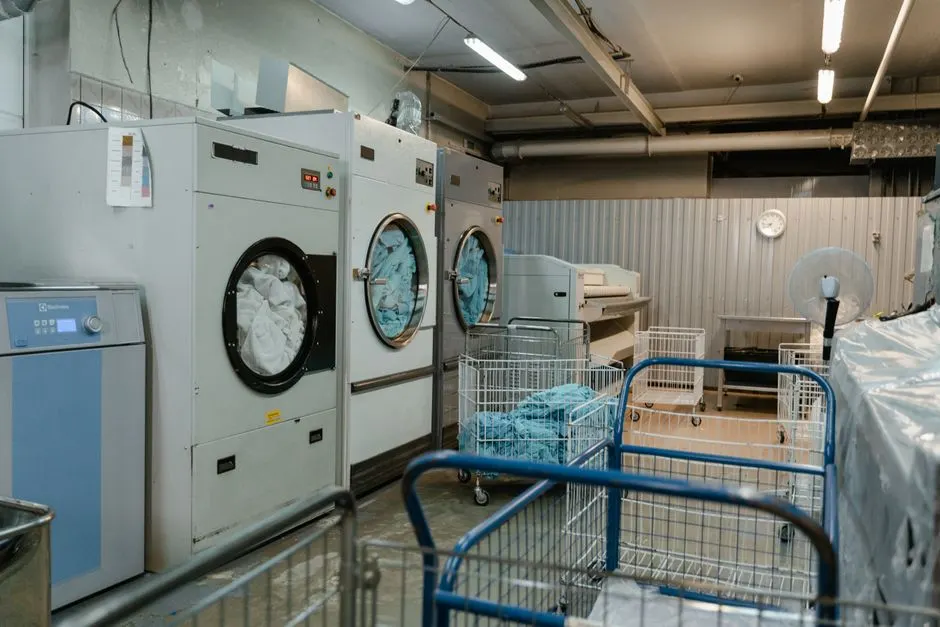
Interior view of an industrial laundry room with washers and rolling carts.
Licensed Licensed & Bonded
Fully Insured Insured & Bonded
24/7 Emergency Same-Day Response
Warranty Backed Workmanship Guaranteed

What Startup Repair Covers

Washer Not Starting Repair includes symptom review, safe inspection, electrical and interlock testing, identification of the failed component, and a startup verification after repair. We explain the repair price before work proceeds. If the diagnosis uncovers a separate leak, blocked drain, or additional failed part, we show how it relates to the starting fault and discuss the next repair rather than silently expanding the work.

Power Path Inspection

We check the accessible outlet, cord condition, and connection path before opening the washer. If the supply appears unsafe or the receptacle is damaged, we stop appliance testing at that point and explain the electrical concern. Regulated building electrical work follows applicable Massachusetts licensing requirements.
Lock And Switch Testing

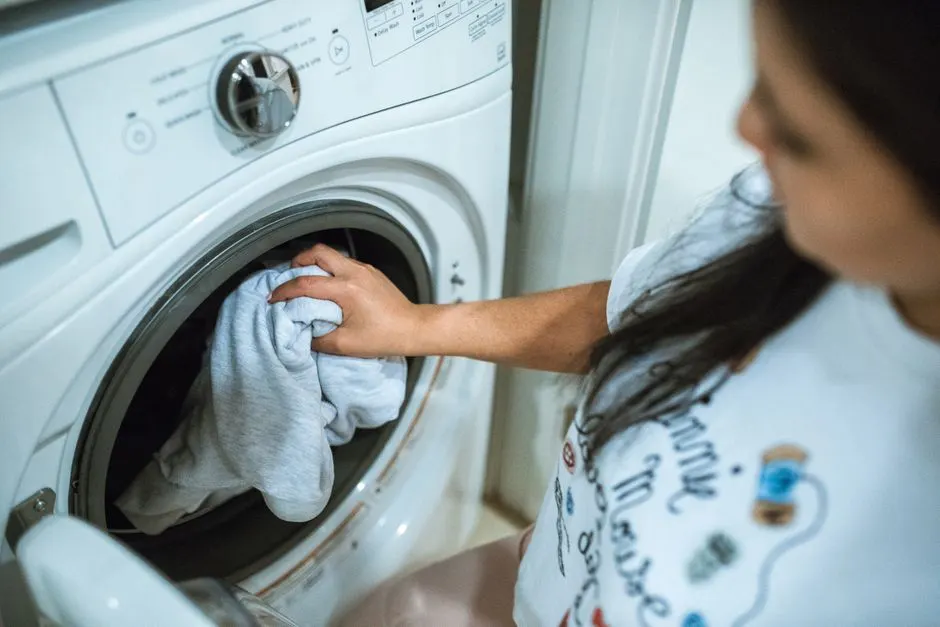
We test the door lock or lid switch that confirms the washer is safely closed. The check includes the switch response and related connections, not a permanent bypass. A functioning interlock is essential for safe operation and for the control to begin the programmed cycle.

Control And Start Checks

We inspect the start button response, control signals, and displayed fault indicators according to the model's service information. Testing helps distinguish a failed interface from a control board or wiring problem. We recommend replacing a control only when the diagnostic evidence supports that repair.

Water And Drain Conditions

We check for conditions that can prevent a new cycle, including restricted water entry or water left in the tub. Water inlet hoses, the inlet valve, drain hoses, and pump filter receive attention when the symptoms point to them. This catches secondary faults that a reset alone cannot resolve.

Operational Verification

After the repair, we confirm the washer powers on, accepts a cycle, and proceeds through the expected startup stage. We watch for lock engagement, initial filling, unusual sounds, and leaks. You see the result before the service visit is complete.

Washer Not Starting Repair in Massachusetts


Washer Not Starting Repair in Massachusetts is an appliance diagnostic and repair service that identifies and corrects electrical, control, locking, or water-sensing faults that prevent a washer cycle from starting. We begin with the supply and visible connections, then use a multimeter to check voltage and component continuity against the machine's service information. Depending on the symptom, we inspect the lid switch, door lock, start button, control board, inlet valve, and drain condition. You get a specific fault explanation before we replace a part.

Across Massachusetts, the same no-start symptom can follow a winter power interruption, a damp basement installation, or a household move that loosened a plug or hose. Massachusetts washer not starting repair also addresses machines that appear powered but refuse to unlock or begin filling. If you are searching for a repair a washer that has power but will not start, we trace the sequence from the lock signal through the control and water-entry checks, then run a test cycle to confirm the fix.

What Happens During Service

Washer Not Starting Repair in Massachusetts follows a clear sequence: describe the symptom, test the machine, approve the repair, and verify operation. We protect the floor and nearby cabinetry, keep you informed at each decision point, and leave the washer in a confirmed operating state whenever the needed repair is completed.

01

Schedule

Call or book online — a real human picks up and confirms a 2-hour arrival window.

02

Diagnose

Licensed tech inspects on-site, then walks you through the cause and your options.

03

Fix

The job is completed to code and done right the first time — no shortcuts, no surprises.

04

Guarantee

Every job backed by a written workmanship warranty — and we stand behind it.

Tools and Diagnostic Methods

Tools & Equipment

Multimeter

We measure voltage, continuity, and switch response at the relevant points in the startup circuit. Readings help separate a failed lid switch or door lock from an open connection or control fault.

Clamp meter

When the diagnostic procedure calls for it, we measure current draw during a controlled test. That helps identify whether a component is receiving power and responding, without relying on sound or appearance alone.

Nut driver set

We use the correct driver size to remove access panels and secure fasteners without rounding them. Controlled access protects the cabinet and helps us reach switches and connections in compact laundry spaces.

Torx screwdriver set

Many washer models use Torx fasteners around control panels or cabinet components. The correct bit improves access and reduces the risk of damaging screw heads during diagnosis or a component replacement.

Appliance dolly

We use an appliance dolly when a washer must be repositioned for safe access, subject to the space and installation. It helps protect floors and reduces strain when moving a heavy machine away from a wall.

Methods & Standards

Startup-sequence isolation

We follow the order the washer requires: power, command input, door or lid interlock, water or drain condition, and control response. Testing each stage narrows the fault without replacing several parts at once. We use the model's service information to determine the expected signal at each step.

Safe electrical isolation

Before accessing internal electrical parts, we disconnect power and confirm a safe working condition. We avoid bypassing door locks or lid switches, because those components protect against operation with an open machine. Any regulated electrical work is handled in line with applicable Massachusetts requirements.

Post-repair cycle verification

After a repair, we restore the normal configuration and test the washer's startup behavior. We check that the control accepts a command, the lock responds, and the expected fill or drain stage begins. We also look for water leaking during a cycle before considering the repair complete.

When to Call for Repair

01

The washer has power, but pressing Start produces no sound, lock, or water entry.

What we do: We note the display response and test the start command, interlock, and control circuit. You do not need to guess whether the door lock, button, or board failed; measured checks identify where the startup sequence stops. We then repair the confirmed cause and verify the beginning of a cycle.

→ You get a clear fault explanation and a tested washer instead of repeated resets that leave the laundry untouched.

02

A shared basement washer in a multi-unit building will not begin a cycle.

What we do: We coordinate access with you or the property contact, protect the floor, and check power and water connections before opening the cabinet. If the washer is stacked or tightly fitted, we assess safe access before moving it. The diagnosis distinguishes a machine fault from a supply or connection issue.

→ Residents get a specific repair path, and building staff know whether the appliance or the surrounding connection needs attention.

03

A coastal home washer refuses to start after a long closed-up winter period.

What we do: We inspect the visible cord and connections, then test the lock and control sequence. Where a damp laundry space or stored water is involved, we check for corrosion signs and drain restrictions without assuming climate alone caused the fault. We run a controlled startup after the repair.

→ You can restart laundry with the underlying electrical, lock, or drainage cause addressed and the first cycle checked.

04

A washer stops mid-load, retains water, and will not accept another command.

What we do: We record the displayed code and determine whether the washer is waiting on the drain, lock, or control. A wet/dry vacuum can manage residual water where appropriate, while pump and filter checks identify a blockage. We restore the drain or interlock function and verify that a new cycle is accepted.

→ Your load can be removed safely, and the washer's next cycle is tested instead of left in the same stalled state.

How Statewide Service Works in Massachusetts

Washer Not Starting Repair in Massachusetts has to account for more than the appliance: access, building age, seasonal use, and the condition of the laundry space all shape the visit. In older multi-unit buildings, narrow stairs and shared basement rooms can make safe positioning the first task. In coastal communities, washers in seasonal homes may sit unused through winter, while inland cold snaps can expose a hose or drain line in an unheated utility room. We ask about the location and access before dispatch, then bring the tools suited to the reported model and symptom. For a Massachusetts washing machine power and start repair, we test the home's accessible supply and the washer's internal circuit separately, so a building-side concern is not mistaken for an appliance fault. Massachusetts plumbing and electrical licensing requirements apply where regulated building work is involved; appliance diagnosis does not replace that work. We protect finished floors, manage residual water, and run the startup sequence before wrapping up.

Neighborhoods We Serve

  • Quincy

    Apartment laundry rooms and basement installations can limit access around the cabinet. We check the route and working clearance before moving the washer or opening panels.

  • Newburyport

    Older homes may have compact utility areas and long appliance paths from the entry. We plan for careful movement and inspect visible hose connections during startup diagnosis.

  • Buzzards Bay

    Seasonal properties can have washers that have sat unused between stays. We check the power, lock, and water-entry sequence before running a full cycle.

  • Woburn

    Closet installations leave little room for tools or panel access. We identify the model and symptom first so testing can stay focused in a tight space.

Local Conditions We Plan For

  • Cold-weather laundry rooms with exposed water lines or drain connections

    A restricted or frozen line can keep the washer waiting for a fill signal even when the controls appear normal. We check for safe water flow and visible line damage before asking the machine to run, and avoid operating a connection that shows signs of freezing or leakage.

  • Coastal homes with long seasonal periods between laundry use

    A washer left idle can reveal a sticking lock, stale water, or a drain restriction on the first cycle back. We inspect the startup and drain conditions together, then watch the machine through the initial fill so a second problem does not get missed.

  • Shared laundry rooms with restricted access and scheduled use

    A tight appointment window or stacked appliance can affect how quickly panels can be reached. We coordinate access and safe clearance, then focus testing on the reported failure so the machine can be returned to service without unnecessary disassembly.

Lid Switch Stops Startup

Before

A top-load washer in Quincy powered on, clicked once, and stayed idle with a full basket waiting. The display showed no code, but the lid switch did not complete the safety circuit. Repeatedly pressing Start changed nothing, and the household had no clear way to tell whether the motor or control had failed.

After

We tested the lid switch, confirmed the failed response, and installed the correct replacement. The washer registered the closed lid and began filling in the first test cycle. The repair visit took about 75 minutes, including access, electrical checks, fitting the part, and verifying the start sequence.

Maintenance: Keep the lid area clear of detergent residue and avoid dropping heavy items on the lid. If the washer begins clicking without starting again, note whether the display changes and stop repeated attempts.

Before

A front-loader in West Yarmouth stopped with water in the drum and would not release the door or accept a new cycle. The homeowner suspected a failed control because the display remained on. The actual startup hold was tied to water that had not drained from the previous load.

After

We inspected the drain path, found a blocked pump filter, and cleared the obstruction before testing the lock. The washer drained the remaining water and accepted a new cycle within the same visit. The first five minutes of operation showed normal lock engagement and fill behavior, with no visible leak.

Maintenance: Check the pump filter at the interval stated in your model's manual, commonly every one to three months in frequent-use homes. Empty pockets before washing to reduce lint and small-object blockage.

Before

A washer in Taunton stopped responding after a brief power interruption. Its lights came on, but the Start command produced no lock or fill. The owner had unplugged and reconnected it several times, with no change, and laundry remained wet inside the drum.

After

We checked the accessible power connection, reviewed the displayed status, and tested the lock and command path. A failed lock component was preventing the control from starting the cycle. After replacement, the washer locked and began filling; the full diagnostic and verification took about 90 minutes.

Maintenance: Use the washer's normal shutdown procedure after an interruption and avoid repeated rapid resets. If the display returns but the lock does not engage, record the symptom and arrange testing rather than forcing the door.

Fix the Fault Behind a No-Start

A silent washer does not always have a dead control board. Washer Not Starting Repair in Massachusetts traces the starting sequence to find where it stops, so you can avoid repeated resets and unnecessary part changes. We pay attention to the exact sound, lights, lock behavior, and water left in the drum.

Problem

Display lights work, but the washer ignores the Start button.

Laundry remains trapped in the machine's routine, and repeated button presses can obscure the original fault without restoring a cycle.

Our Fix

We check the start interface, control response, and safety interlock in sequence. On applicable models, we confirm that the display registers the command and that the control receives the required lock signal. We then repair the failed connection or component and test the next startup stage, rather than assuming the board is faulty.

Problem

Top-loader clicks once, but the lid switch never confirms closure.

The control may refuse to energize the motor or begin filling, leaving a full laundry basket and a machine that appears partly functional.

Our Fix

We inspect the lid strike and switch assembly, then test electrical continuity with the washer safely isolated. If the switch has failed, we replace it with the correct model part and verify the lid locks or registers as designed. We do not bypass the safety circuit to force a cycle.

Problem

Front-loader stays locked after water remains inside the drum.

A retained-water condition can prevent the door from releasing and block the next cycle, while repeated attempts may leave the laundry wet for hours.

Our Fix

We determine whether the washer is holding water because of a pump filter blockage, drain hose restriction, or drain pump assembly fault. Once the drain condition is corrected, we check the lock feedback and run a fresh startup test. This addresses the cause rather than forcing the door open.

Problem

Washer stopped after a storm or brief power interruption.

A control may retain an error or a supply connection may be affected, leaving the washer unavailable when household laundry is already backed up.

Our Fix

We check the outlet and cord condition, review displayed codes, and follow the model's restart procedure. If power reaches the unit but the control still will not start, we test the lock and control path. A confirmed cycle test separates a temporary interruption from a component failure.

Get Back to Regular Laundry

Get Back to Regular Laundry

A washer that will not start can turn a normal laundry day into a pileup. We focus on the failed starting sequence, explain what the test results mean, and repair the cause rather than masking the symptom. You know what was checked, what changed, and how the machine performs before we leave.

  • Diagnosis Before Parts

    We check the power supply, lock feedback, control response, and cycle conditions before recommending a replacement. A multimeter reading helps distinguish a failed switch from a wiring or control fault, saving you from paying for a part that does not address the symptom. You receive a clear repair path based on the actual machine.

  • Cycle-Tested Operation

    After the repair, we confirm that the washer accepts a cycle, locks as designed, and begins the expected fill or agitation sequence. We monitor the first several minutes rather than relying on a reset alone. That final check helps catch a secondary issue such as a blocked drain path that was preventing startup.

  • Less Laundry Disruption

    A prompt appointment and focused testing help limit the number of loads sent to a laundromat or postponed at home. Same-day repair for a washer that will not start in Massachusetts depends on the fault and part availability, but many switch, connection, and reset-related jobs fit within a single visit.

  • Repair Matched to Your Model

    We work with common household machines from Whirlpool, GE Appliances, Maytag, Samsung, and other listed manufacturers, using model-specific procedures where available. Correct part selection matters: a front-load door lock and a top-load lid switch do not follow the same startup logic. We check the model and symptom before fitting components.

Training and Service Standards

Licensed & Certified

  • National Appliance Service Technician Certification — issued by National Appliance Service Technician Certification organization
  • Professional Service Association Certification — issued by Professional Service Association
  • Manufacturer-Specific Appliance Service Training — issued by Applicable washer manufacturers
  • OSHA Safety Training — issued by Occupational Safety and Health Administration training providers

Verified Reviews

Customer feedback ★★★★★5.0

The technician checked the outlet, then tested the lid switch instead of guessing. Our washer started after the replacement, and he stayed to confirm the fill. The explanation was clear, and the laundry room was left clean.

Customer feedback ★★★★★5.0

Our front-loader had water in the drum and refused to start. The drain filter was blocked, not the control board. The technician cleared it, checked the lock, and demonstrated the next cycle before leaving.

Customer feedback ★★★★★5.0

The washer clicked but did nothing. We were shown the failed switch reading and the replacement part before the repair. It began the cycle on the first test, and the price was explained before work started.

Technical Skill at the Washer

Washer startup faults involve both electrical checks and mechanical interlocks, so a reset is not a complete diagnosis. We follow manufacturer-specific appliance service training and use service information matched to the washer model. Our work emphasizes safe isolation, measured testing, correct component identification, and a practical cycle test. Where regulated work applies, we respect Massachusetts plumbing and electrical licensing requirements. Refrigerant handling is not part of ordinary washer startup repair; EPA Section 608 certification applies where refrigerant work is involved, not as a substitute for washer-specific training.

  • We test lid switches and door locks for continuity and correct interlock response before replacing a control.
  • A socket and ratchet set and Torx screwdriver set allow controlled access to common washer panels and fasteners.
  • We check water inlet valves and supply conditions when the control waits for a fill signal before starting.
  • Our process includes safe power isolation and careful handling of water connections in compact laundry spaces.
  • We look for related faults such as a washer that will not drain or a door or lid lock failure.
Get Started Today
Technical Skill at the Washer

Cities We Serve Across Massachusetts

We provide Washer Not Starting Repair across Massachusetts, routing service to homes, apartments, and seasonal properties in urban, inland, and coastal communities. Massachusetts washer not starting repair starts with the same careful fault isolation, but the visit accounts for building access, travel, and the washer's model. We serve Quincy, Taunton, Woburn, Newburyport, and communities from Millis-Clicquot to Buzzards Bay, with local planning for each household's laundry setup.

Quincy

We diagnose no-start washers in apartments and single-family homes, checking tight laundry-room access before testing the lock, controls, and power path.

Taunton

For Taunton households, we trace a silent or clicking washer through its startup sequence and verify the repair with a controlled cycle test.

Woburn

Closet and basement installations in Woburn can restrict access, so we identify the washer model and reported symptom before opening panels.

Newburyport

We serve Newburyport homes with focused checks of power, door or lid interlocks, and water entry, including compact utility-room installations.

West Yarmouth

In West Yarmouth, we check seasonal-use washers for lock, control, and drain conditions before confirming that the machine accepts a fresh cycle.

Millis-Clicquot

We bring model-focused diagnosis to Millis-Clicquot, separating a failed start component from a supply issue and testing the first cycle stage.

Ocean Grove

Ocean Grove service includes careful inspection of washer connections and startup controls, especially where laundry equipment sits in a compact home space.

Buzzards Bay

We help Buzzards Bay households with washers that sit idle between stays, checking electrical response, interlocks, and water conditions before operation.

Pocasset

For Pocasset homes, we diagnose the exact point where the cycle stalls and run a startup check after repairing the confirmed fault.

Teaticket

We provide Teaticket washer startup diagnosis for powered-but-unresponsive machines, checking the lock signal and control response before recommending parts.

Green Harbor

In Green Harbor, we account for the home's laundry setup and access, then inspect the washer's starting, filling, and drainage conditions.

Seabrook

We serve Seabrook households with targeted testing for no-start faults, from a failed lid switch to a control waiting on a drain condition.

Washer Startup Repair FAQs

Real answers to the questions we hear most often from local homeowners and property managers.

How much does washer not starting repair cost in Massachusetts?
Most washer no-start repairs cost about $150 to $450 in 2026, with control-board or complex wiring repairs sometimes reaching $600 or more. The price depends on diagnostic access, the failed component, and whether a model-specific part is needed. We test before recommending a replacement and give you the price before work begins. A simple connection or switch fault usually costs less than a control assembly.
Why will my washing machine not start?
A washer commonly will not start because it lacks power, detects an open lid or door lock, has a failed start control, or is waiting for a water or drain condition to clear. First note whether the display lights, whether you hear a click, and whether an error code appears. Our washing machine no-start diagnosis and repair in Massachusetts checks those signals in sequence instead of replacing the control first.
Who repairs a washer that will not start in Massachusetts?
An appliance repair technician trained in washer electrical and mechanical systems repairs a washer that will not start in Massachusetts. We inspect the power path, lock or lid switch, controls, and relevant water-entry conditions, then test the completed repair. If you call, share the make, model, and any displayed code; those details help us prepare for the correct diagnostic steps.
Should I unplug a washing machine that will not start?
Yes, unplug it for about 60 seconds if the plug is accessible and the floor is dry, then reconnect and try one cycle. Do not touch a wet plug, damaged cord, or standing water; switch off the circuit breaker and call for service instead. Repeated resets will not repair a failed lock or control, and opening the cabinet while powered creates an electrical hazard.

Other Washer Services

Washer Repair

A no-start fault can overlap with broader operating problems, including filling, draining, or spinning failures. We diagnose the full symptom pattern and address the startup issue first, then identify related faults that affect a complete wash cycle. This service suits households that are unsure whether the failure is isolated.

View Washer Repair

Front-Load Washer Repair

Front-load machines rely on a door lock signal before the control starts the cycle. We inspect the latch, lock feedback, and control response when the display is active but the drum remains idle. We also check for water remaining in the tub that can prevent a new cycle from beginning.

View Front-Load Washer Repair

Top-Load Washer Repair

A top-loader may refuse to start when its lid switch does not confirm closure or the control detects an unsafe condition. We test the interlock and inspect the lid area without bypassing safety features. If the machine also will not agitate, we document that symptom during the cycle test.

View Top-Load Washer Repair

High-Efficiency Washer Repair

High-efficiency washers use sensor-driven startup sequences, so a pause can reflect a lock, water-level, or drain condition rather than a dead control. We follow the model's sequence and check the inlet and drain path where indicated. That helps restore normal operation without treating every delay as a failed board.

View High-Efficiency Washer Repair

Washer Diagnosis and Troubleshooting

A washer diagnosis isolates why the machine will not accept a cycle, including power, wiring, interlock, and control faults. We record the displayed code and test the relevant circuit before recommending repair. This is useful when the symptom changes between attempts or follows a mid-cycle shutdown.

View Washer Diagnosis and Troubleshooting

Washer Leak Repair

A leak can trip a safety response or leave water around the washer, complicating a startup call. We inspect water inlet hoses, drain hoses, and visible connections while diagnosing the no-start fault. If the leak is the cause or a related risk, we address it before running a full test.

View Washer Leak Repair

Book Washer Not Starting Repair in Massachusetts

Tell us what happens when you press Start, and we will arrange the right diagnostic visit. Our technicians test the fault, explain the repair, and verify the cycle before leaving. Call Mass Washer Repair at +18665940052 to get your washer checked.

Call Today Book Service

Contact Mass Washer Repair

Tell us what your washer is doing and where in Massachusetts you need service. Call +18665940052 during business hours, Monday through Friday, 8 a.m. to 6 p.m.; we respond to calls during those hours and help arrange the next available service route. If the washer is leaking, include that detail when you call.

Or call us right now at +18665940052 — we answer.

Mass Washer Repair


  • Phone

    +18665940052
  • Address

    Massachusetts

  • Hours

    Mon–Fri: 7AM – 7PM
    Sat: 8AM – 4PM
    Sun: Emergency Only
    24/7 Emergency Available

Call +18665940052 Get Quote
Call Quote