

Residential Washer Repair for Siasconset Homes
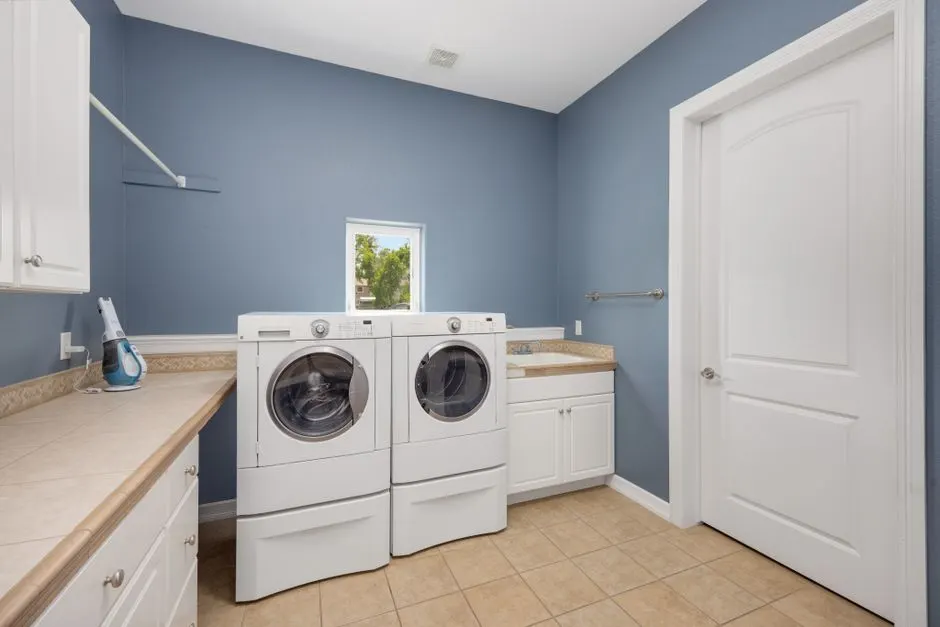
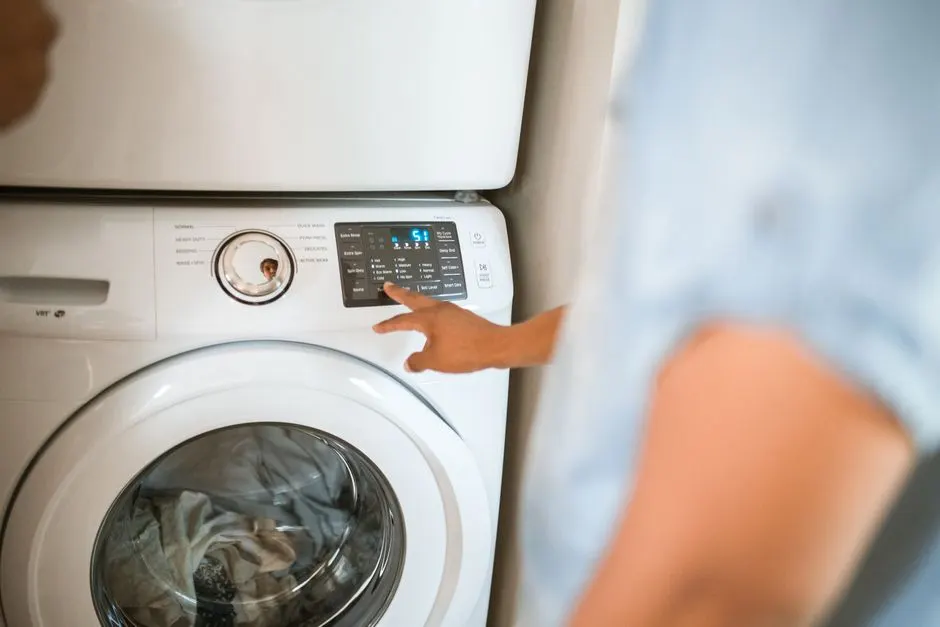
Siasconset residential washer calls come from year-round houses, cottages, and seasonal homes with very different laundry layouts. Some machines sit in a dedicated utility room; others are fitted into a narrow closet or basement corner where access needs planning. A washer leak can threaten finished flooring, while a failed spin cycle leaves household laundry waiting. We ask about the home setup, machine model, and cycle that failed before arriving, then diagnose the washer in place whenever safe access allows. Our front-load washer repair includes checks of the door seal and drainage path when symptoms point there. After repair, we run the relevant cycle and check the area around the washer so you know whether the leak, drainage, or spin problem is resolved.
- In-home washer fault diagnosis — We inspect the washer where it is installed in your Siasconset home, checking the reported symptom before recommending parts. Tell us whether the failure happens during fill, agitation, drain, or spin. A multimeter helps check electrical response where required, and the test cycle confirms the behavior that brought us out.
- Leak and connection repair — When water reaches the floor, we inspect the supply hoses, drain connection, valve, and door seal as indicated by the leak timing. In Siasconset cottages with finished floors or limited clearance, we control residual water and protect the work area. We run the washer afterward to verify the source is dry.
- Drain and spin restoration — A washer that leaves clothes soaked needs a check of drainage and spin operation. We inspect accessible filters and hoses, then evaluate locking and drive behavior where relevant. In your Siasconset home, we finish with a drain or spin test and check that the machine stays stable on its installed floor.
- Seasonal home washer checks — If your Siasconset property has been closed between stays, we can diagnose the first-cycle problem before laundry piles up. We inspect for active leaks, verify fill and drain, and address any odor or standing water that points to a service issue. You get a clear explanation of what is mechanical and what is routine care.